
PLANTATIONS & HISTORY
Tea in Bangladesh &
Makson’s Place In It
Tea cultivation in the Indian subcontinent began under British colonial rule in the early 19th century. Seeking independence from Chinese tea imports, the British
expanded from Assam and Darjeeling into Eastern Bengal — the region that is now Bangladesh.
History
The first tea initiatives began in Chittagong in the 1840s, but the true birthplace of Bangladeshi tea was the Surma Valley of Sylhet. With the founding of Malnicherra Tea Estate in 1849, Sylhet division quickly became the heart of the tea industry. Throughout the British era, companies like James Finlay, Duncan Brothers, and Octavius Steel established thriving estates supported by railway networks that carried tea to global markets through Chittagong port.
After independence, the industry modernized under the Bangladesh Tea Board and Bangladesh Tea Research Institute (BTRI), which improved cultivation, research, and auction systems.
Within this historic landscape, Makson’s three A-Grade estates represent the continuation of a legacy more than 170 years old.
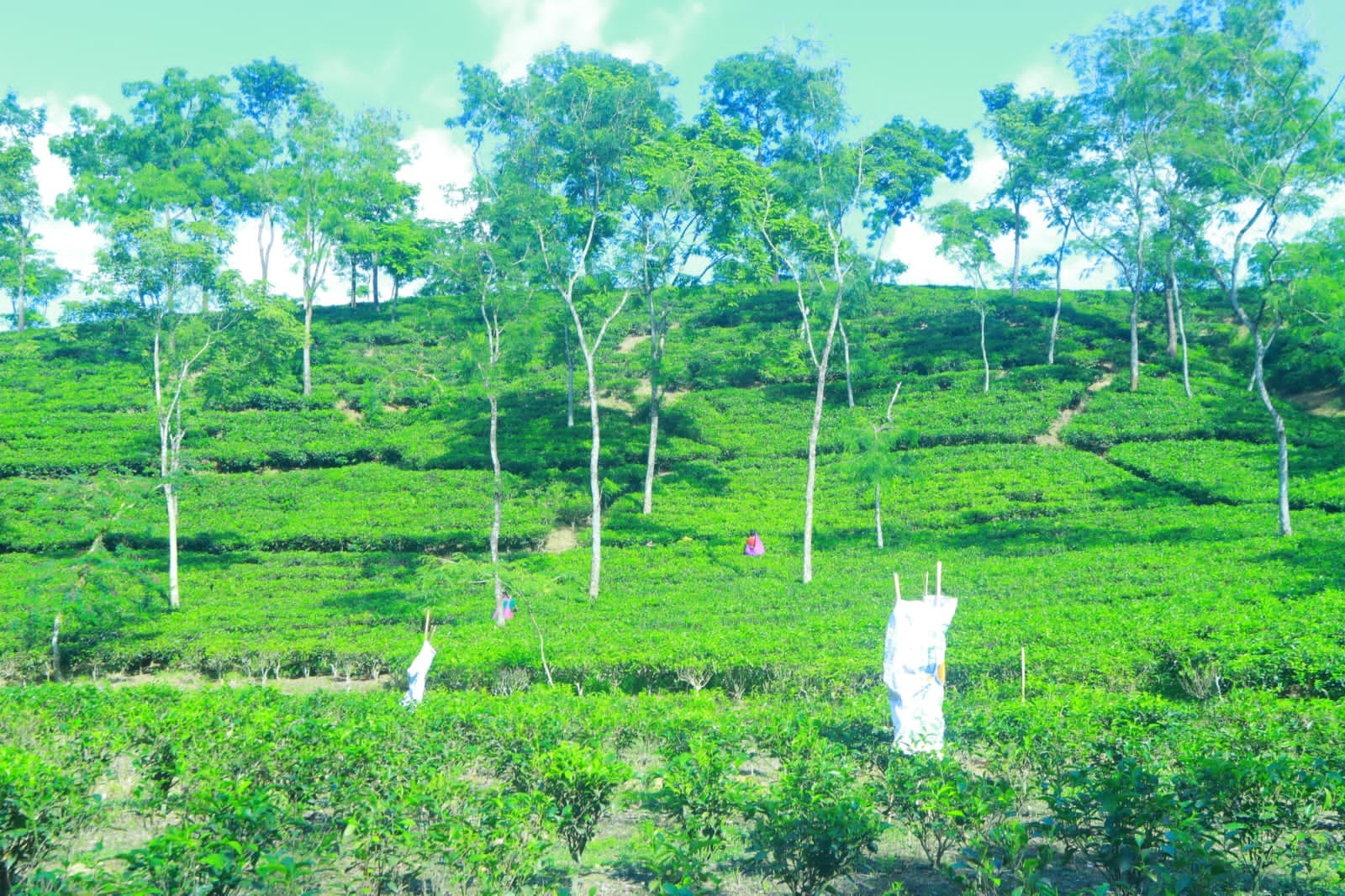
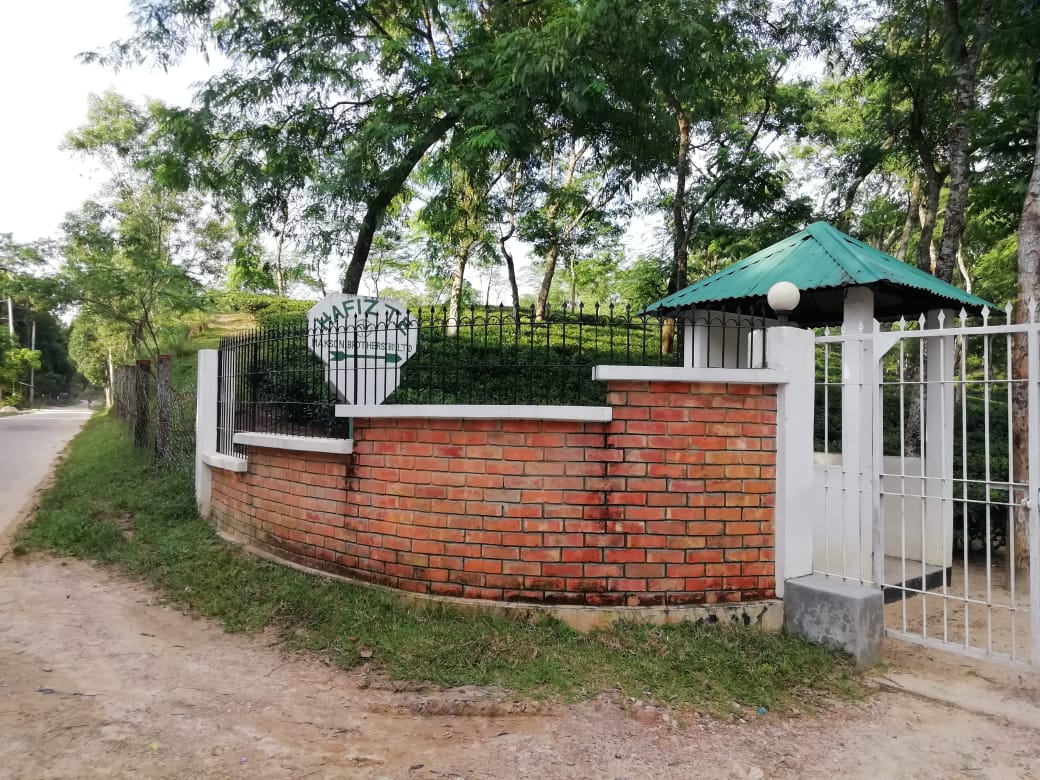
Across 4,000 acres of plantation, Makson blends the heritage of colonial-era foundation with modern excellence. Kaliti Estate, in particular, hosts a BTRI research sub-station, supporting innovation through advanced nursery and field-level research.
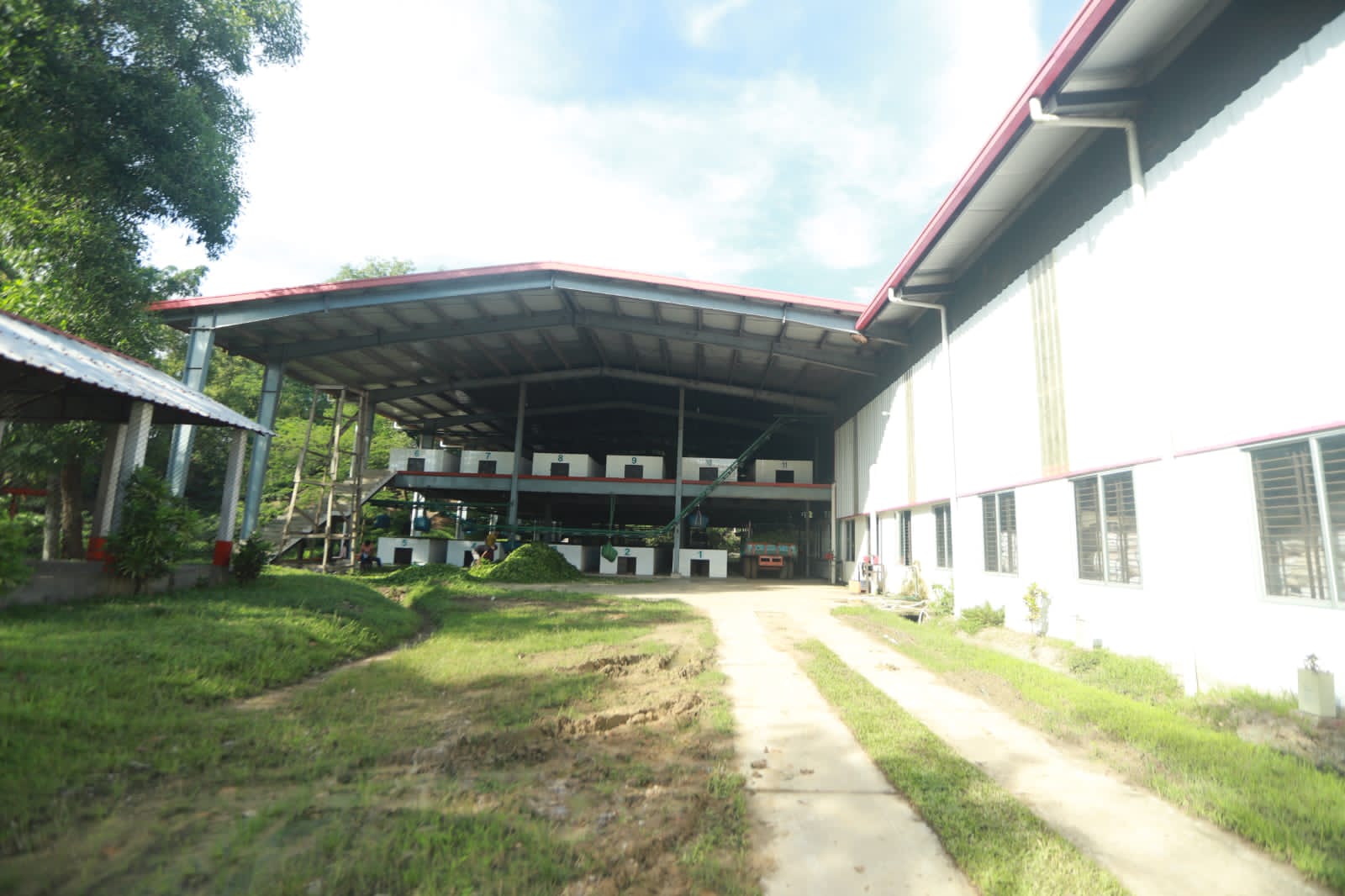
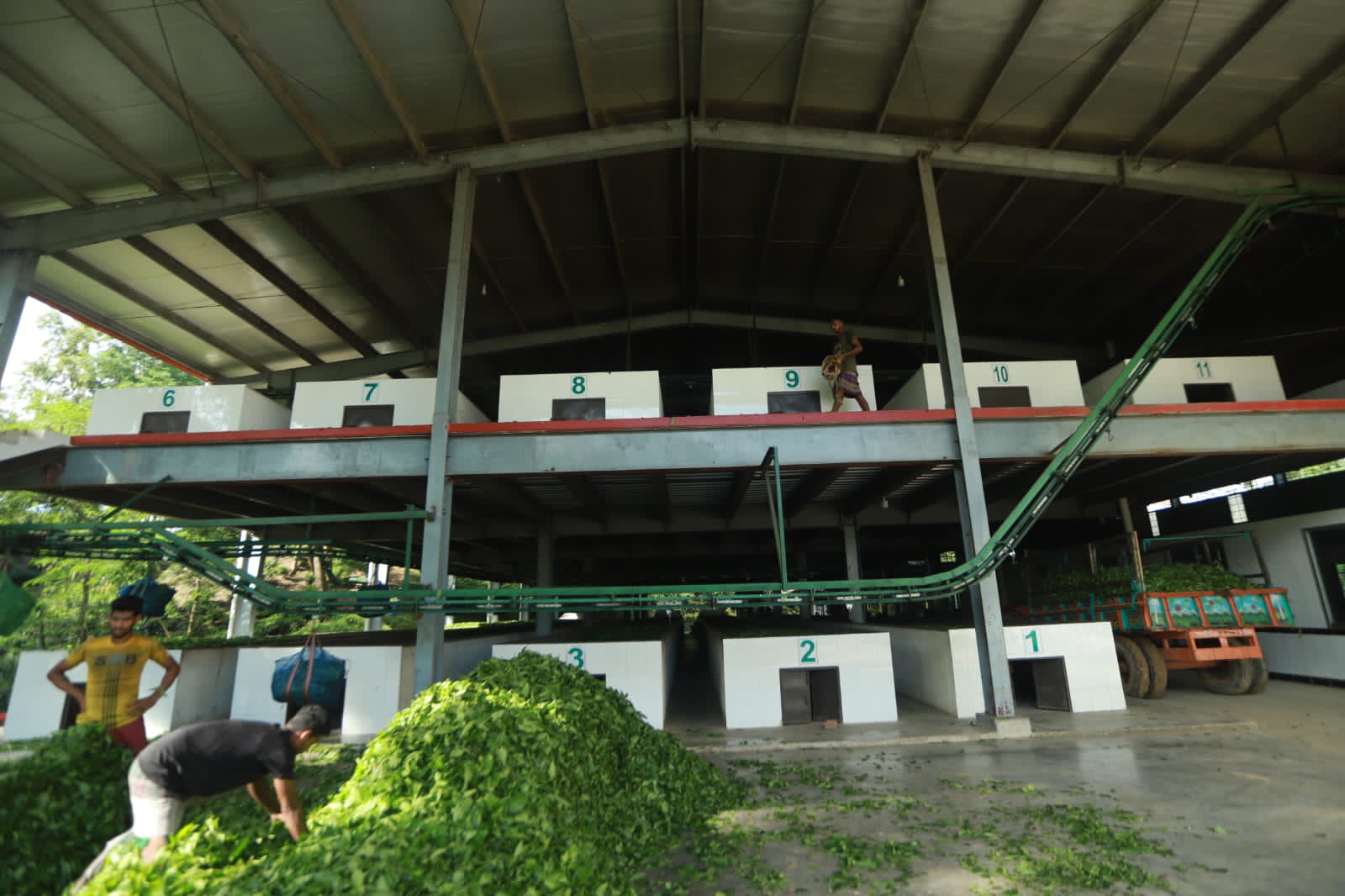
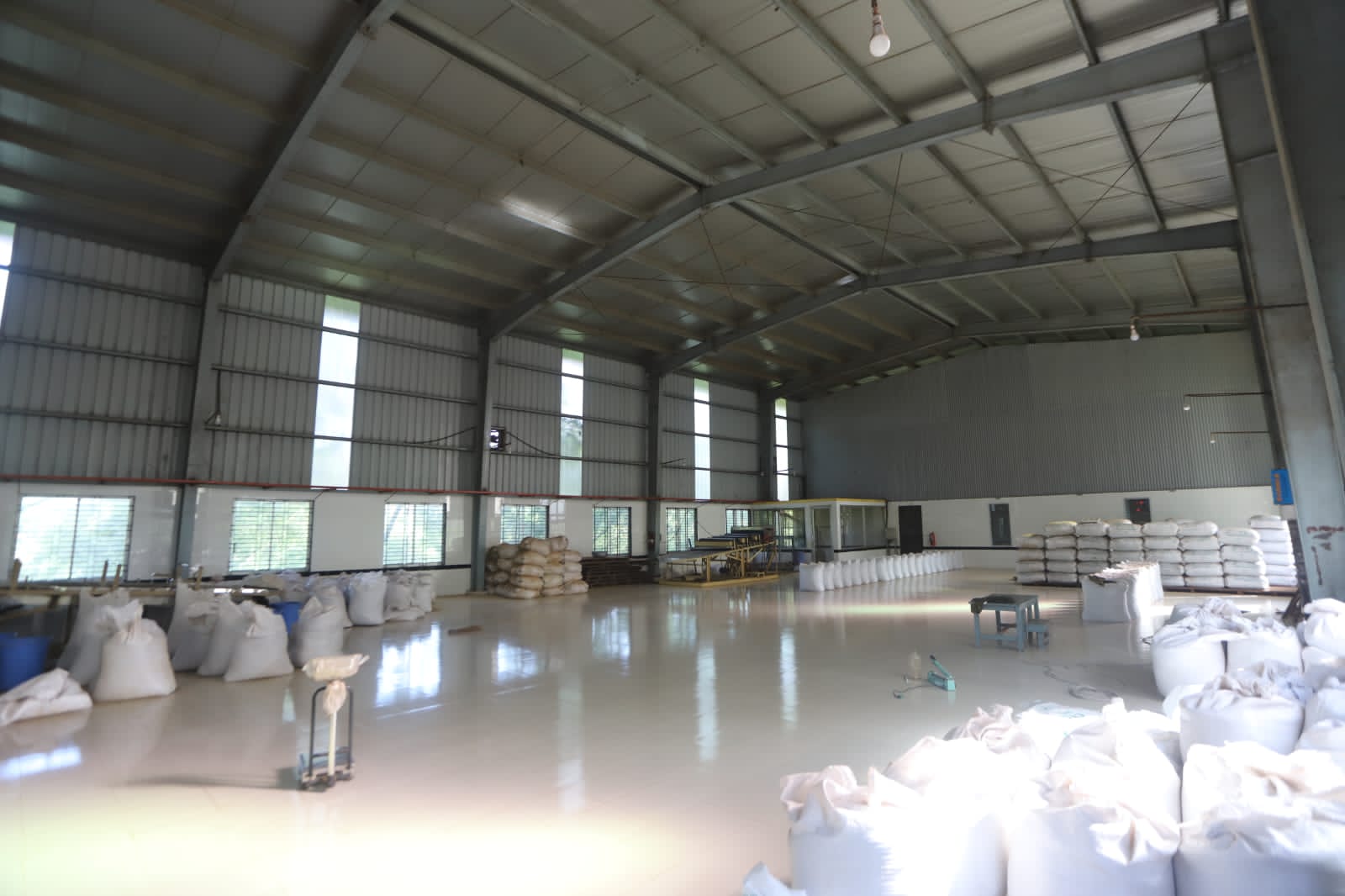
Makson’s two factories
-
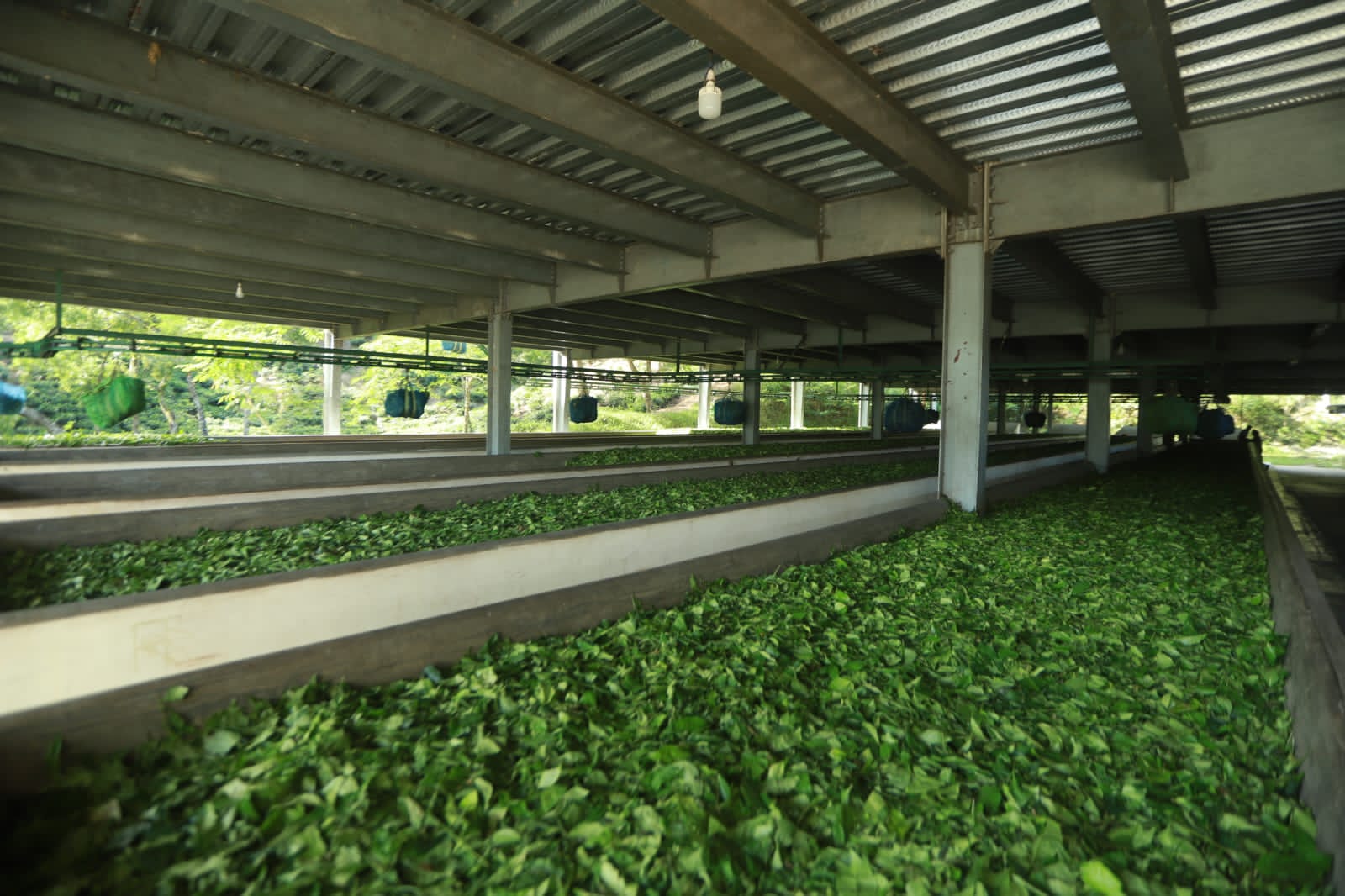
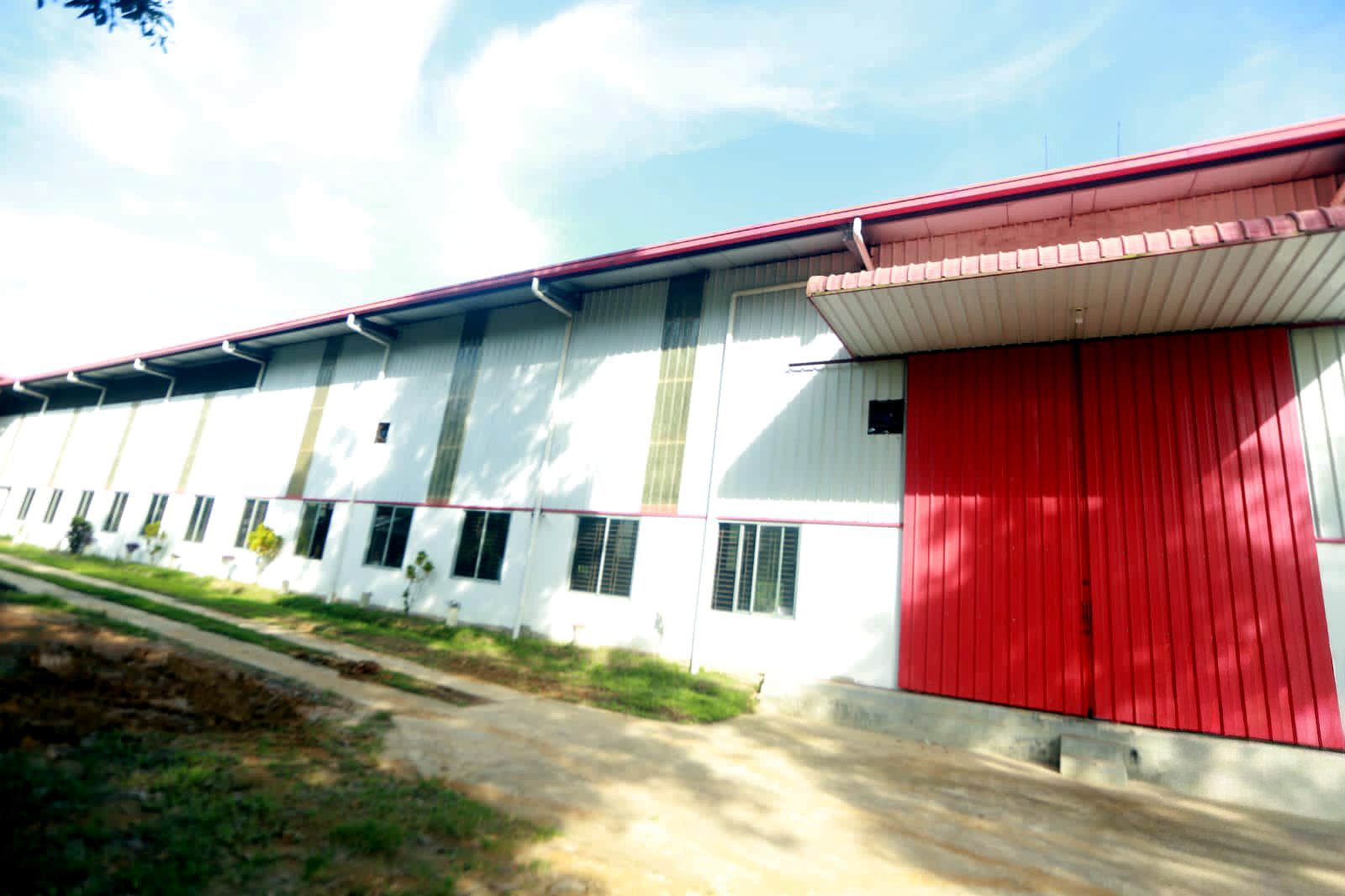
A brand-new, state-of-the-art manufacturing facility
-
A fully preserved British-era factory still operating in perfect condition symbolize the harmony of heritage and progress.